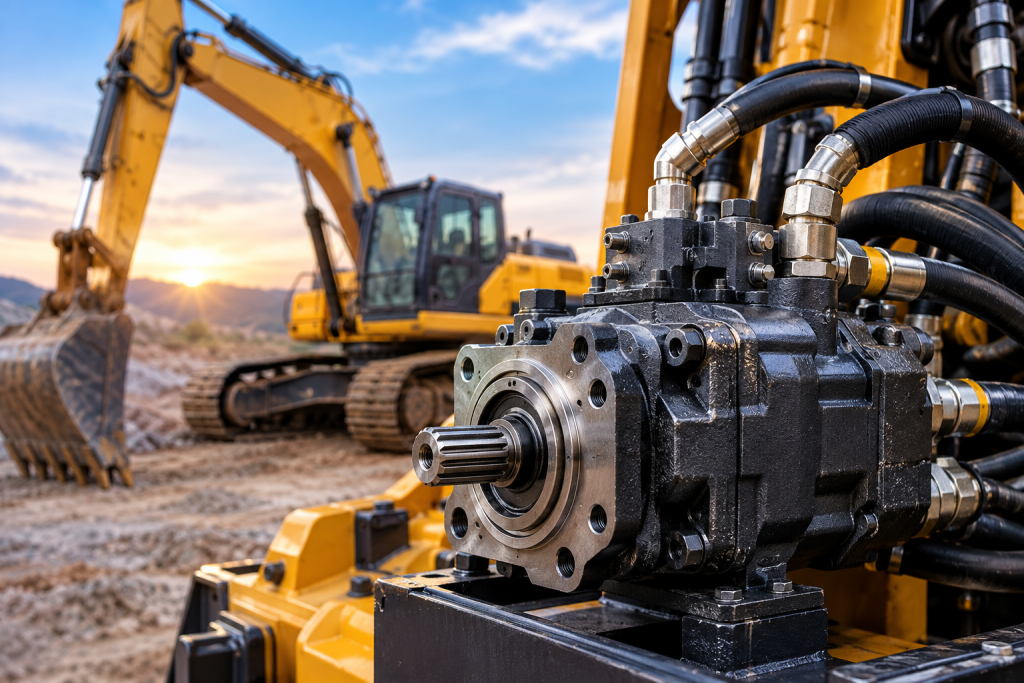
Hydraulic pumps are essential components in excavators, construction machinery, mining equipment, and industrial hydraulic systems. They convert mechanical energy into hydraulic energy, enabling machinery to perform essential operations such as lifting, digging, rotating, and moving heavy loads.
When a hydraulic pump develops a fault, machine performance can decrease, operating costs can increase, and unexpected downtime can affect productivity. Understanding the common warning signs of hydraulic pump problems helps equipment owners identify potential issues early and take the necessary corrective action.
At Marginal Hydraulic, we provide hydraulic components and services to support equipment maintenance requirements, including hydraulic pump testing, repair, and remanufacturing solutions.
1. Reduced Machine Performance
One of the most common signs of a hydraulic pump problem is reduced machine performance. An excavator may operate more slowly than usual, struggle to lift heavy loads, or respond slowly when the operator moves the controls.
These symptoms may indicate that the hydraulic pump is not delivering the required oil flow or pressure.
Common causes include:
- Internal pump wear or leakage
- Incorrect hydraulic oil viscosity
- Restricted suction lines or filters
- Faulty pressure-control components
- Excessive internal leakage within the hydraulic system
A qualified technician should inspect the hydraulic circuit to identify the exact cause before recommending pump repair or replacement.
2. Unusual Noise and Vibration
Hydraulic pumps normally produce some operating noise. However, unusual whining, rattling, grinding, or excessive vibration may indicate an underlying problem.
These symptoms can be caused by cavitation, air entering the hydraulic system, worn internal components, misalignment, or insufficient oil supply.
Cavitation occurs when the pump does not receive sufficient oil at its inlet, allowing vapor bubbles to form and collapse inside the pump. This can damage internal surfaces and reduce operating efficiency.
To prevent further damage, check the hydraulic oil level, inspect suction hoses and connections, and examine the filters. If the noise continues, arrange a professional inspection.
3. Overheating Hydraulic Oil
Excessive hydraulic oil temperature is another warning sign that should not be ignored. Overheating can reduce hydraulic system efficiency, accelerate component wear, and shorten the service life of hydraulic oil.
Possible causes include:
- Excessive internal leakage
- Incorrect pressure settings
- Restricted oil flow
- Contaminated or unsuitable hydraulic oil
- Insufficient cooling
- Continuous operation under excessive load
Regularly monitoring oil temperature, checking the cooling system, and following the manufacturer’s maintenance recommendations can help prevent overheating.
4. Hydraulic Oil Leaks
Hydraulic oil leaks around pump shafts, seals, hoses, fittings, and connections may indicate worn seals, damaged components, or loose connections.
Even a small leak can lead to oil loss, reduced system performance, and contamination risks if it is not addressed promptly.
Inspect the pump and surrounding hydraulic components for visible leakage. Replace damaged seals and fittings with suitable parts, and investigate recurring leaks to identify their underlying cause.
Always shut down and depressurize equipment according to the manufacturer’s safety procedures before inspecting hydraulic components. Never use your hands to search for high-pressure hydraulic leaks.
5. Contaminated Hydraulic Oil
Clean hydraulic oil is essential for reliable pump performance. Dust, dirt, metal particles, water, and other contaminants can damage precision components and accelerate internal wear.
Contamination may cause pump inefficiency, valve malfunction, excessive wear, and premature component failure.
To reduce contamination risks:
- Replace hydraulic filters according to the recommended service schedule.
- Use the correct hydraulic oil for the application.
- Keep oil storage containers and filling equipment clean.
- Inspect hydraulic hoses and seals regularly.
- Investigate changes in oil colour, clarity, or condition.
- Follow the manufacturer’s oil sampling and maintenance recommendations.
Maintaining clean hydraulic oil can help improve equipment reliability and reduce unnecessary repair expenses.
6. Loss of Hydraulic Pressure
Low hydraulic pressure can affect an excavator’s digging force, lifting capacity, travel performance, and overall operating efficiency.
Although a worn hydraulic pump may be responsible, low pressure can also result from faulty relief valves, damaged seals, restricted filters, control-valve problems, or other hydraulic system faults.
A professional diagnosis should include appropriate pressure and flow measurements, along with an inspection of related components. Replacing the pump without identifying the actual cause may lead to unnecessary costs.
7. When Should You Repair or Replace a Hydraulic Pump?
The decision to repair or replace a hydraulic pump depends on the extent of damage, availability of replacement parts, repair costs, and the pump’s ability to meet the required operating specifications.
Hydraulic pump repair: Repair may be suitable when the damage is limited, the main components remain serviceable, and appropriate replacement parts are available.
Hydraulic pump replacement: Replacement may be more practical when the pump has severe internal damage, major structural defects, or repair costs that approach the cost of a suitable replacement.
Hydraulic pump remanufacturing: Remanufacturing may provide another option when the pump is suitable for comprehensive restoration, inspection, component replacement, and performance testing.
A technical assessment can help determine the most appropriate and economical solution for your equipment.
8. Why Professional Hydraulic Pump Testing Matters
Professional hydraulic pump testing helps determine whether a pump operates within the required performance parameters. Depending on the pump design and application, testing may evaluate pressure, flow, leakage, efficiency, noise, and control response.
Testing can help identify performance problems, verify the effectiveness of repairs, and establish whether a pump is suitable for continued service.
At Marginal Hydraulic, we support hydraulic component requirements through testing, repair, and remanufacturing services. Choosing the correct service depends on the pump model, the nature of the fault, and the equipment manufacturer’s specifications.
9. How to Prevent Hydraulic Pump Problems
Preventive maintenance is one of the most effective ways to reduce unexpected hydraulic system failures.
Follow these maintenance practices:
- Check hydraulic oil levels regularly.
- Use the hydraulic oil recommended by the equipment manufacturer.
- Replace filters at the specified service intervals.
- Inspect hoses, seals, and connections for damage or leakage.
- Monitor unusual noise, vibration, and operating temperature.
- Avoid operating equipment beyond its recommended limits.
- Investigate changes in machine performance promptly.
- Schedule regular inspections and appropriate hydraulic system testing.
Consistent maintenance can help identify developing problems before they cause extensive damage or costly downtime.